

Beauty and horror
Techno-optimism is dead, hypersexualized youth is back, and more with Petra Collins the young photographic goat
Our interviews with Christophe Lemaire, SC103, Cameron Winter of Geese, Ryota Iwai from Auralee, Sarah Squirm, Pusha T, Adam Sandler, Nathan Fielder, Brendan from Turnstile, Seth Rogen, MJ Lenderman, Maya Hawke, Bon Iver, André 3000, Eckhaus Latta, Matty Matheson, Laraaji, John C. Reilly, Father John Misty, Michelle Williams, Clairo, Steven Yeun, Tyler, The Creator, Conner O’Malley & more are here.
Mach 3+ city intel for traveling the entire planet is here.
Check out our monumental new list of the 50 Slappiest Shops across the Spyplane Universe.
We don’t run ads and we never use affiliate links except for some one-off secondhand gems we find on eBay and Etsy, and books on the independent bookseller Bookshop. We laid out our position on affiliate links and spon here.
— Jonah & Erin
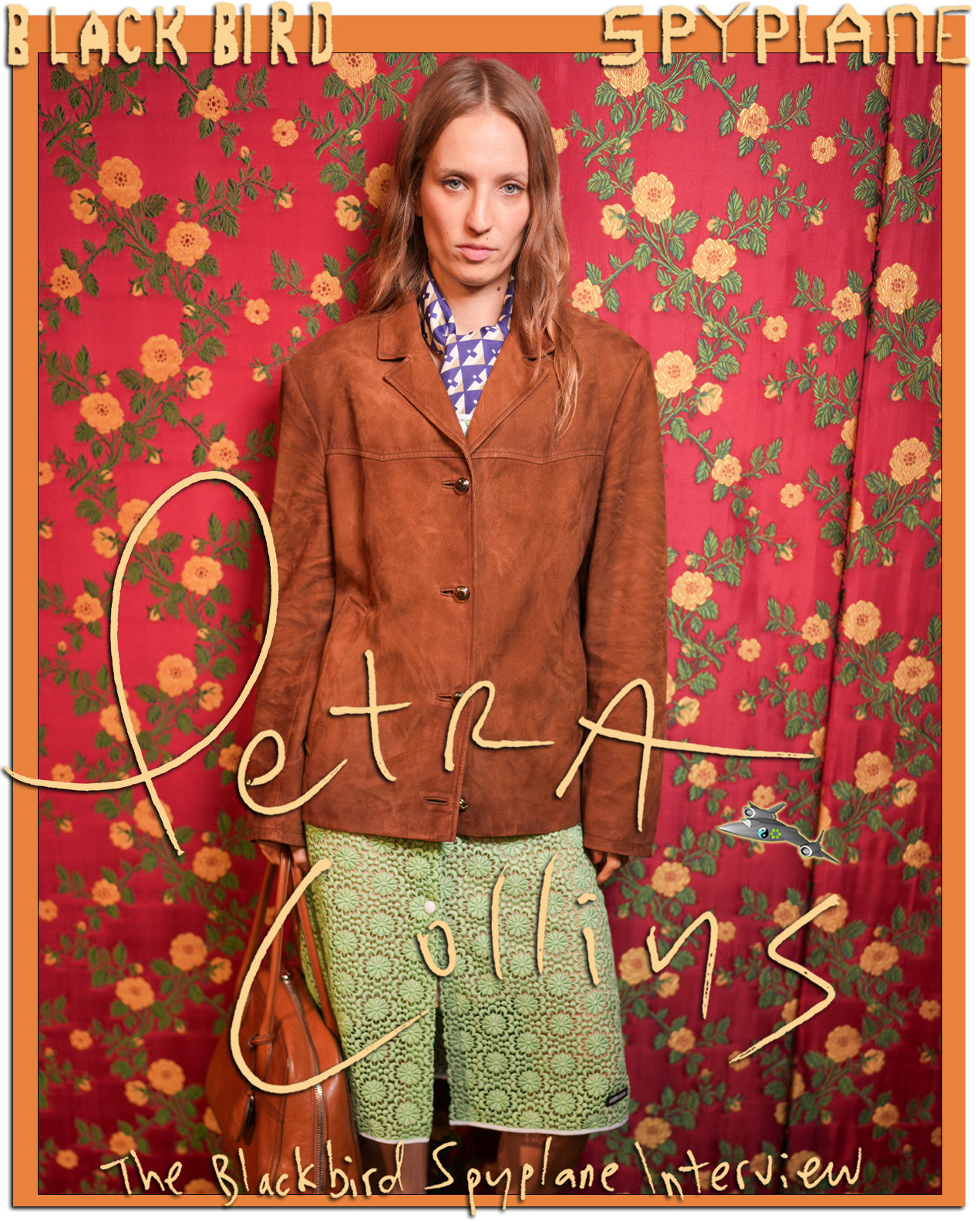
Petra Collins started taking pictures as a teenager, capturing the lives of her sister and their friends in Toronto. Her photographs blurred the line between stylized artifice and documentary-style naturalism — and since the lines between artifice and naturalism tend to feel pretty blurry to most teenagers, that only deepened the feeling of emotional and psychological power in the work.
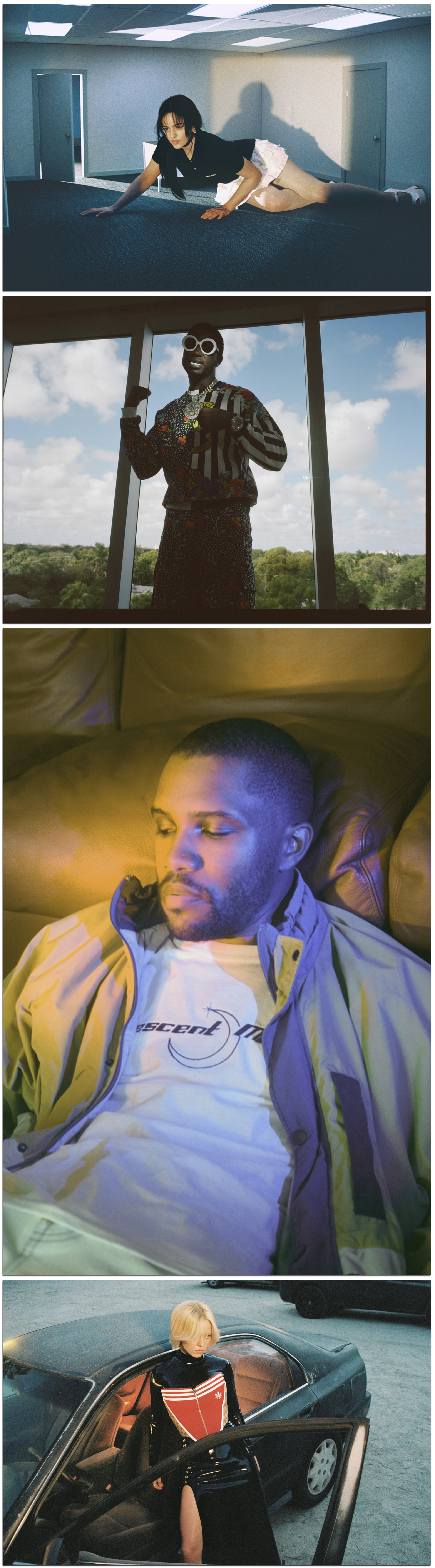
In the 2010s, Petra moved to New York, showing pictures at art galleries while posting them to Instagram, shooting magazine covers and luxury-fashion billboards, helping to develop the look of the epochal HBO zoomer drama Euphoria, directing music videos for pop stars, and putting out a series of cult-adored photo books. She’s done as much as any other photographer to hash out a distinctly “millennial” aesthetic, and she has a legion of imitators to prove it.
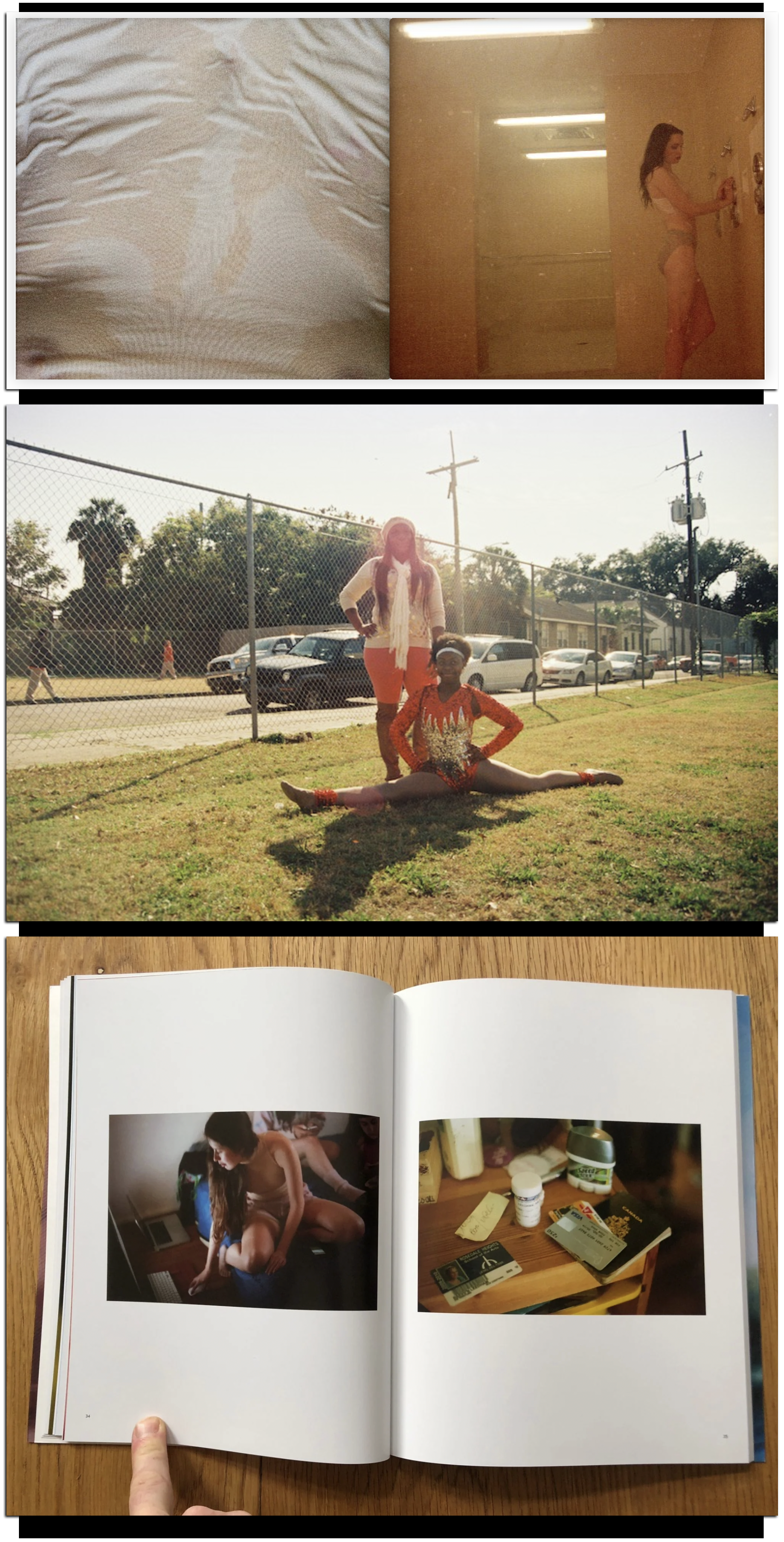
Across it all, she’s explored increasingly slippery ideas about intimacy and performance, truth and fantasy, beauty and horror. These tensions animate Petra’s newest book, Star, which imagines the troubled lives of a group of fictitious pop stars, their friends, their fans, and their stalkers — a movie, of sorts, broken down into its individual frames.
The other day I (Jonah) was stoked to get on the Spyphone with Petra to talk about the molecular-level swag of people who know how to dance; why she used to love selfies, and why she was wrong to do so; what Wim Wenders taught her about photography; and other “unbeatable topics.
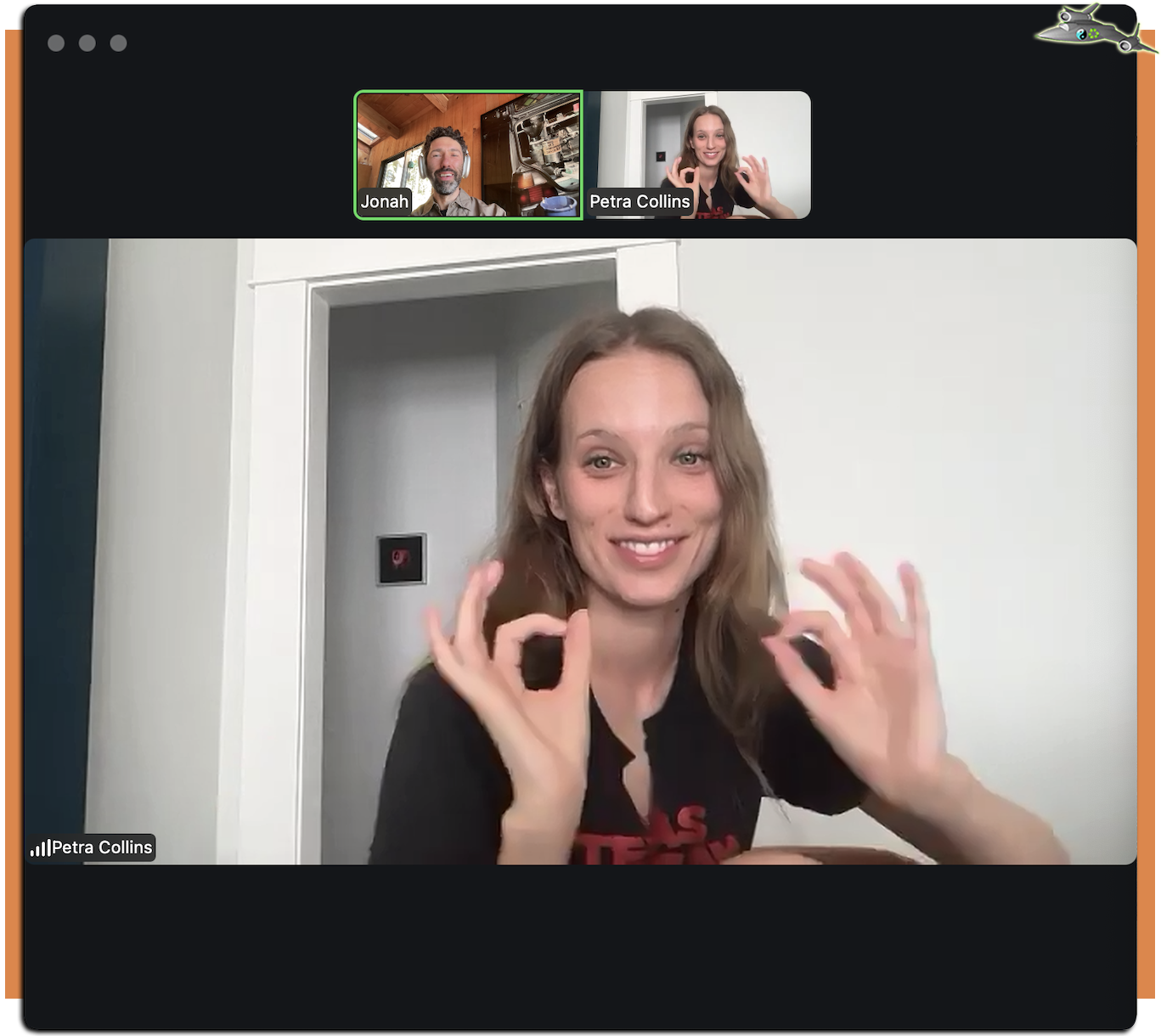
Blackbird Spyplane: You were a dancer before you were a photographer. I’m always fascinated by the command dancers have over how their bodies signify. There’s this sense of molecular-level deliberateness to how they move, and how they hold themselves — whereas I feel like I’m non-verbally telling people all kinds of s--t about myself, through the way I carry myself, that I have no control over. Are there lingering effects of dance on the way you move and inhabit your body, moment-to-moment?
Petra Collins: “Oh, yeah. It helped me with photography, for one thing, because I’m so aware of how the body looks in motion. And it kind of helped me even more behind the camera, because, in a way that’s hard to explain, it helped me to understand where to put the camera in space.
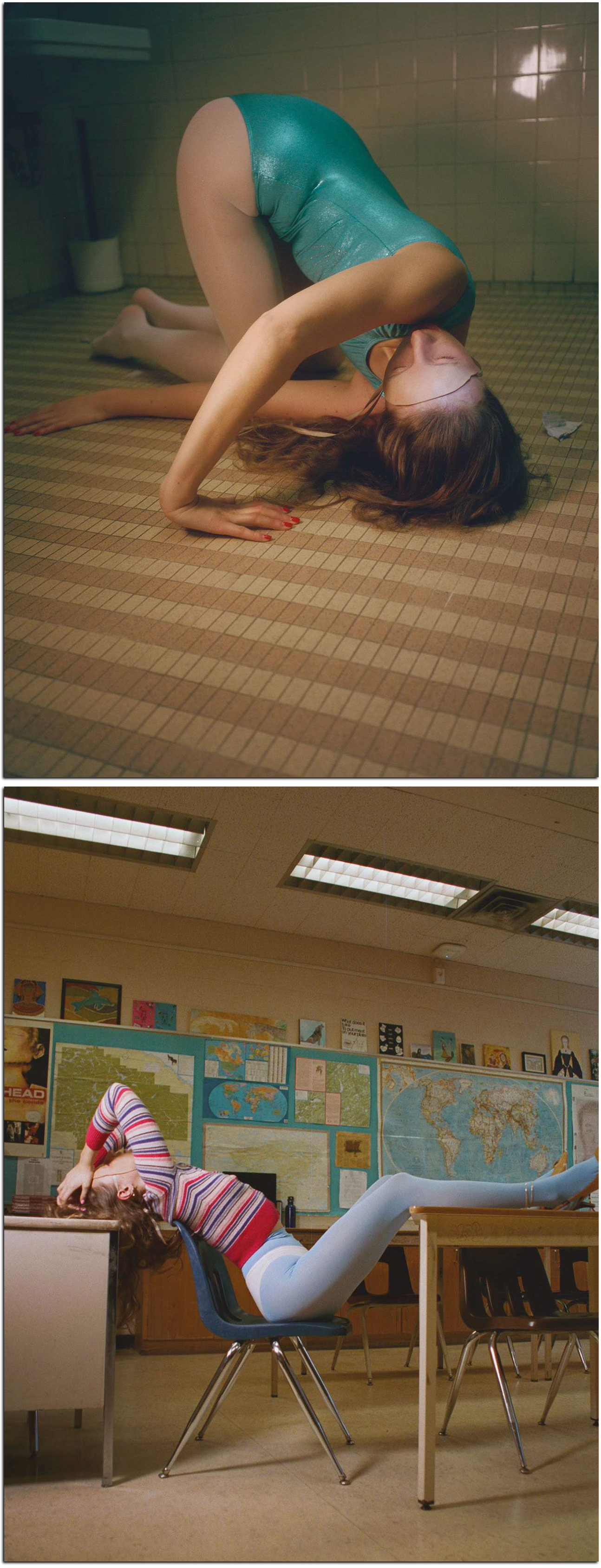
“But it’s funny you say that, because the reason I had to stop dancing is that my body basically couldn’t hold itself together. My joints and ligaments are super loose, and I have no proprioception, meaning my brain can’t really comprehend where my body is, because it’s so loose. The way I live, day to day, I don’t know where my limbs are in time and space. I stopped dancing because I’d be dislocating my knees every couple weeks, and maybe 6 months ago I was just walking to a meeting, I stepped off the sidewalk, and I herniated a disc in my back. So in my case it’s kind of the opposite of what you’re saying. But it does end up making you super vigilant.”
Blackbird Spyplane: I was reading an old interview with you where the topic of selfies arose, tied up with the rise of Instagram. You said you initially saw selfies and social media as good things, because “a lot of people who never had the ability to create, or even see, images of themselves could finally do that.” Looking back, do you think you were wrong?
Petra Collins: “Totally. I’m not a techno-optimist anymore. But back then there was this feeling of hope and excitement at the beginning of any kind of technology. Like, I remember getting dial-up internet and saying, ‘This is amazing, there’s so much I can do with it.’ But I saw really quickly that, if we’re talking about young women taking images of themselves, the misogyny is so baked in, you can’t escape it. I realized it was not this new dawn of imagery I’d thought it was.”
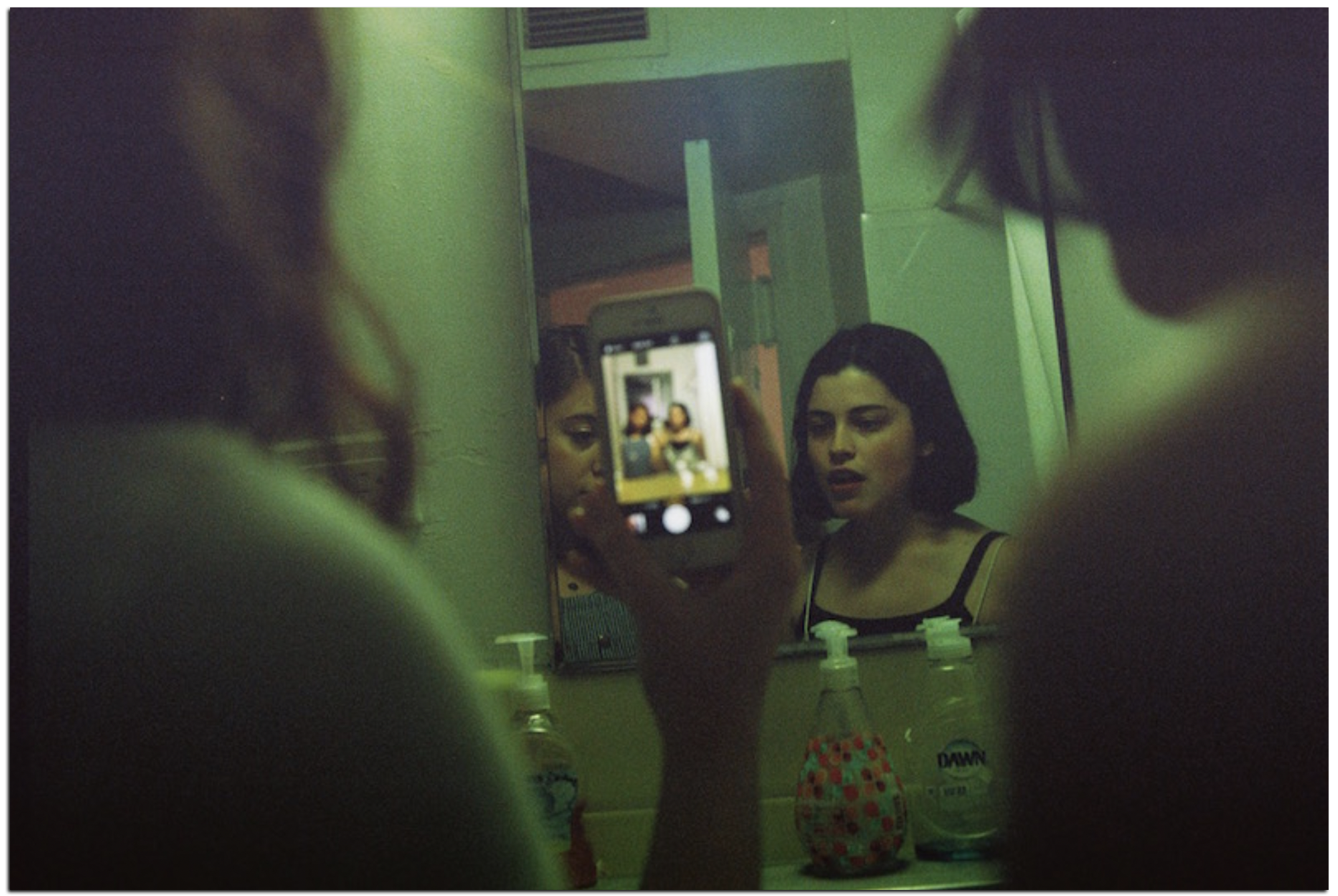
Blackbird Spyplane: That might have been the last time when a majority of us still saw technology as liberatory. Now technology feels mostly like the prerogatives of capital working through us, looking for new markets, annexing us, making everything worse.
Petra Collins: “We’re at the worst stage of it. We’re like 90% in here [taps phone], and we’ve almost fully lost touch, to the point that we’re actually changing the way we look so we can look more like our own avatars.”
Blackbird Spyplane: Your new book is about pop stars, fans and stalkers, and it takes inspiration from the 2000s pop culture you grew up with. How was that time different from now, as relates to fame and fandom, and what hasn’t changed?
Petra Collins: “The book’s not really a period piece, but it takes that era, and this era, and brings them together. Back then, the tabloids were really crazy, there was a newer access to celebrity, and a newer obsession with it. Which is obviously at a fever pitch now. We have so much access to celebrities, and to each other, that we feel we have complete ownership of whoever it is we’re watching.
“Also, that era was this hypersexualized time for young women. I grew up in Canada, so I didn’t have MTV, but I had Much Music, and watching videos and shows, it was so hypersexual, and the girls were so young. I think we’re finding ourselves back in that space right now.”
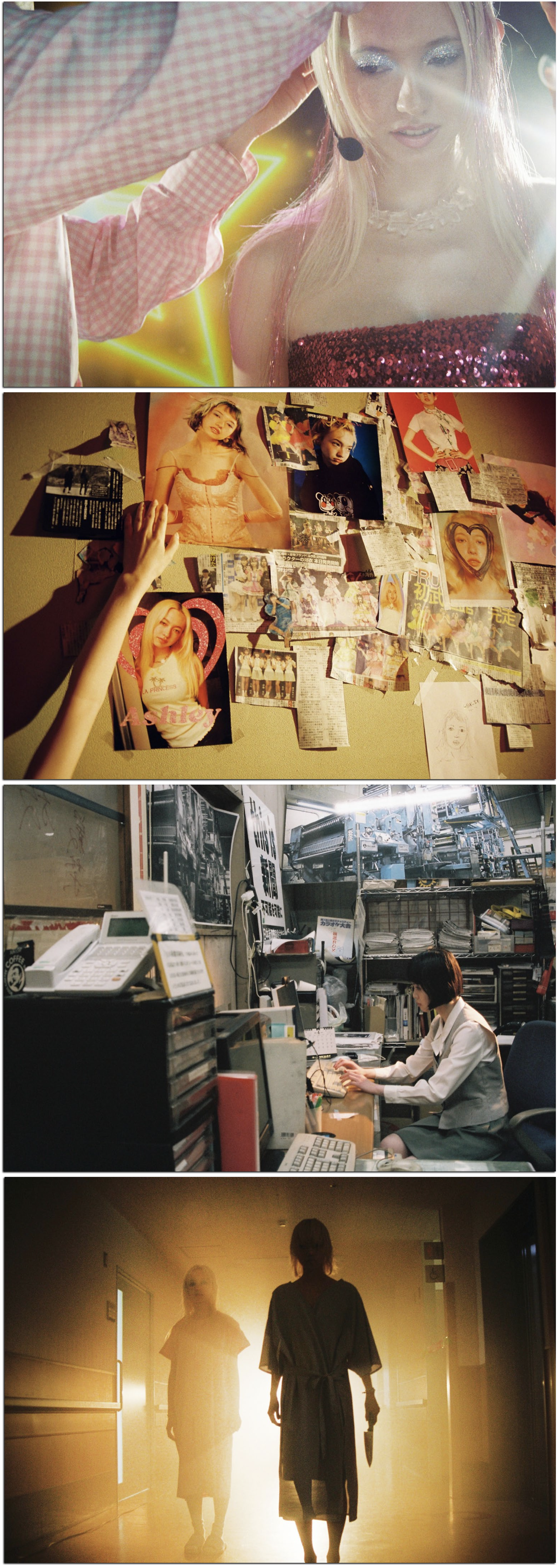
Blackbird Spyplane: One thing I noticed is how few phones there are in these pictures. Phones have been a recurring motif in your art, but I counted 4 total in this whole book, and they’re all face down or screens off.
Petra Collins: “Something I did love about that era was being off the phone, not having to be on it. But I think the book still represents what happens in the phone — what happens in the imagination of the viewer — because it’s not clear who the author is. If you look at the images, it could be reality, or it could be a 12-year-old girl in her bed making up the whole thing. So I like to have the feeling of the phone in the book, if that makes sense, but I didn’t need to actually have the phone in the frame.”
Blackbird Spyplane: You started taking photos as a kid, because of what you’ve described as a nostalgia “for a teenage life that I didn’t have,” and you wound up creating an extremely influential aesthetic. I’m curious, once the art world embraces your pictures, Vogue hires you to do editorials, Gucci hires you to shoot campaigns, Sam Levinson hires you to help build the look of Euphoria, Selena Gomez hires you to direct music videos, and a thousand creative agencies rip off your s--t… It’s gotta feel strange that this language you developed as an outsider is not only mainstream now, but has been used specifically to sell images of girlhood to girls.
Petra Collins: “It’s trippy, and insane. Between that and having done it for so long, going into this project — and really, going into anything new — I ask myself, ‘What can I say now? What can I scratch at and explore that I haven’t?’ With Star I think I wanted to tap back into that time, because I’m so sick of the now.”
Blackbird Spyplane: Why do this as a photo book at all, as opposed to a movie or video piece?
Petra Collins: “Number one, it’s impossible to make a movie. It’s very difficult. So that’s the first answer. But I was up last night looking for this Wim Wenders quote I love, and I was sobbing thinking about it. He has this book called Once, about photography, and how everything is so ephemeral, you can’t catch it.
“The quote goes, ‘“Once is not enough,” I used to say as a kid. That seemed very plausible to me, “once upon a time.” But when you take pictures, I learned, none of that applies. Then “once” is “once and for all.”’
“I first read that when I was pretty young, because I was obsessed with Wim Wenders, and it cemented why I love photography. I want to hold moments and thoughts forever. And it’s why I’ve always loved photo books. Making this one, scene by scene, shot by shot — you could hold each tiny moment in the characters’ lives, it didn’t just slip by.”
Blackbird Spyplane: All right, finally, I asked you to talk about a cherished possession of yours, and you chose a Blythe doll from the 2000s that you bought in Japan. I was not familiar with Blythe dolls, what’s the story?
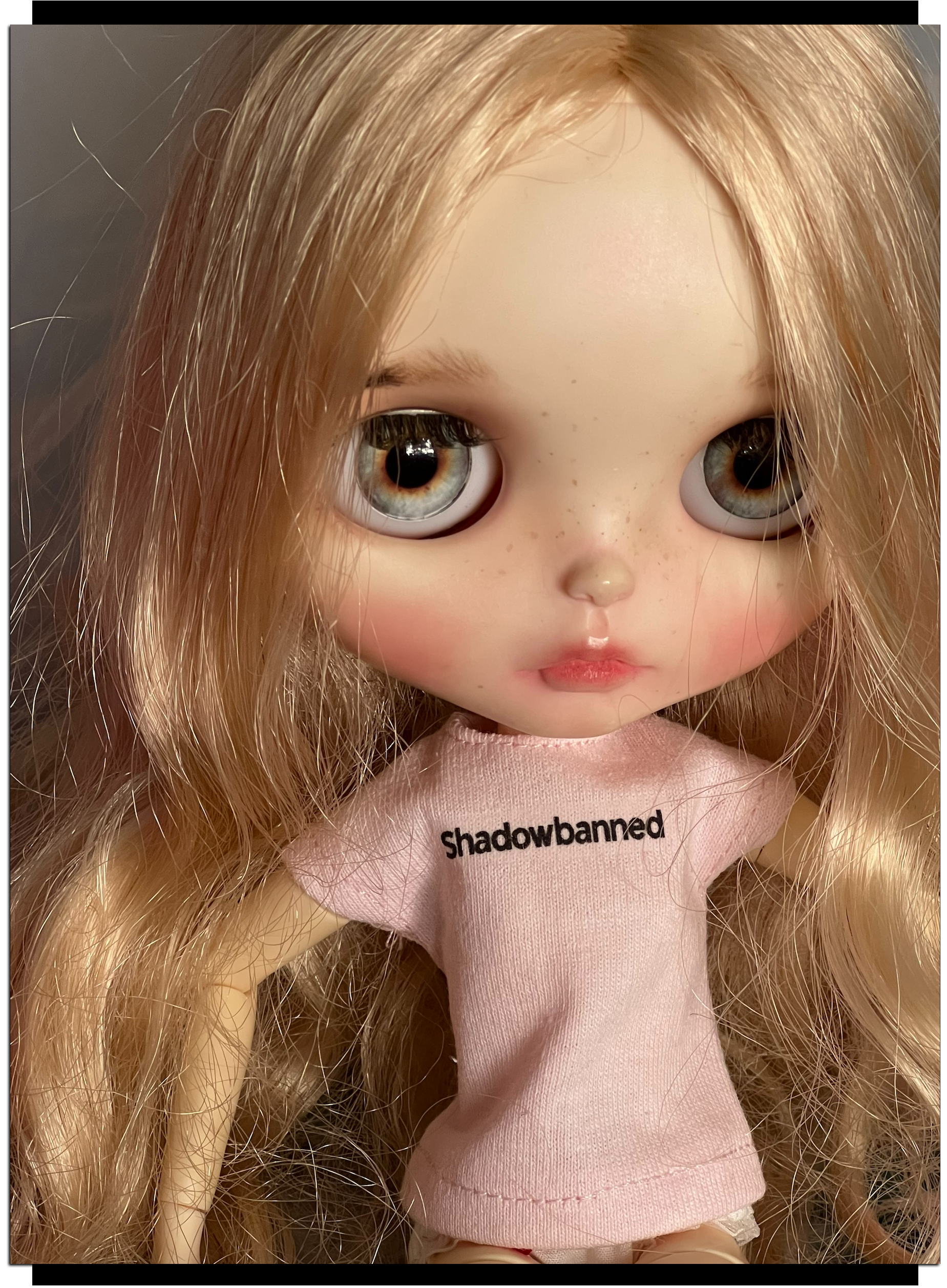
Petra Collins: “The story of Blythe is interesting. She first came out in the early 1970s and was completely rejected. People said, ‘This is the ugliest doll, her eyes move, she’s horrible and scary, we hate this.’ She only became a trend later, after they brought her back in Japan. I became obsessed with her maybe a year or so ago, because I loved the idea of that rejection. I got this one at Nakano Broadway in Tokyo, at a mall with so much s--t, I’ll spend multiple days there digging. I found this doll lying in a bin, I thought she kind of looked like me, and she really reminded me of my sister, so I bought her.”
Blackbird Spyplane: Is revulsion part of the appeal for you with this doll? Do you think it’s scary looking? She reminds me a bit of those crazy Y2K-era Steve Madden subway and magazine ads, with the big-headed, huge-eyed, tiny-bodied Photoshopped models.
Petra Collins: “I used to find her creepy, then I was reintroduced and I was, like, ‘I love her, she’s so weird and cute.’ But I’m a crazy collector, I love oddities, I have a lot of weird stuff. I’m that person where, if you go to their house and look around, you’ll be like, ‘What is that? What are all these unsettling things piled up everywhere?’”
Petra Collins’s site is here, and she’s on IG here. Star comes out via Rizzoli on April 14. You can find it at Bookshop.org here.
Our Home Goods Index, including our brand-new 2026 Home Goods Guide, is here.
Here’s what you learn about how to get dressed when you wear all black for a month.