

What do you need every day?
A rare interview with Christophe Lemaire
Our interviews with Cameron Winter of Geese, Ryota Iwai from Auralee, SC103, Nathan Fielder, Sarah Squirm, Adam Sandler, Evan Kinori, Brendan from Turnstile, MJ Lenderman, Jockum from Our Legacy, Maya Hawke, Camiel Fortgens, Bon Iver, André 3000, Eckhaus Latta, Matty Matheson, Laraaji, Tyler, The Creator, John C. Reilly, Father John Misty, Michelle Williams, Steven Yeun, Conner O’Malley, Clairo & more are here.
Mach 3+ city intel for traveling the entire planet is here.
Check out our monumental new list of the 50 Slappiest Shops across the Spyplane Universe.
— Jonah & Erin
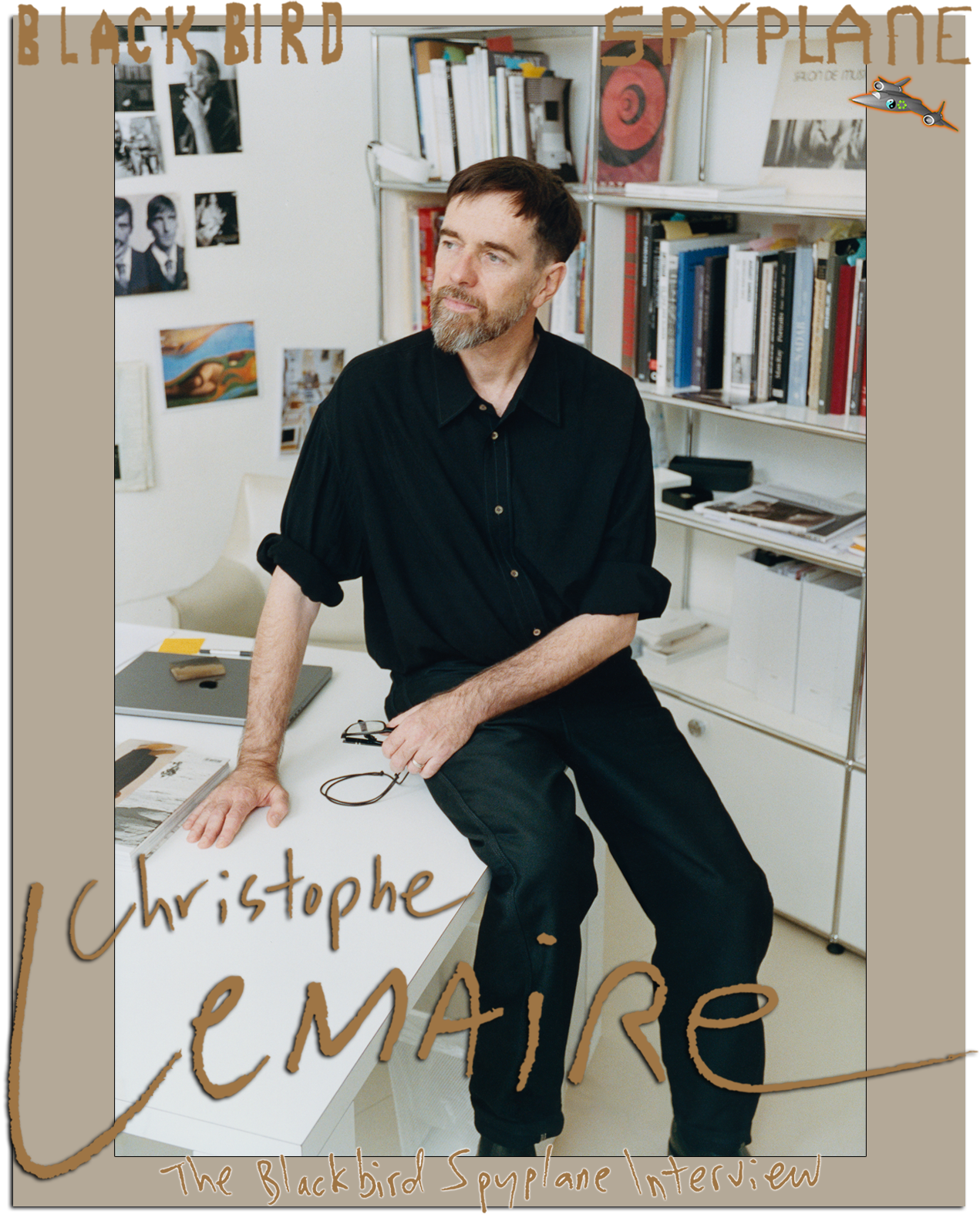
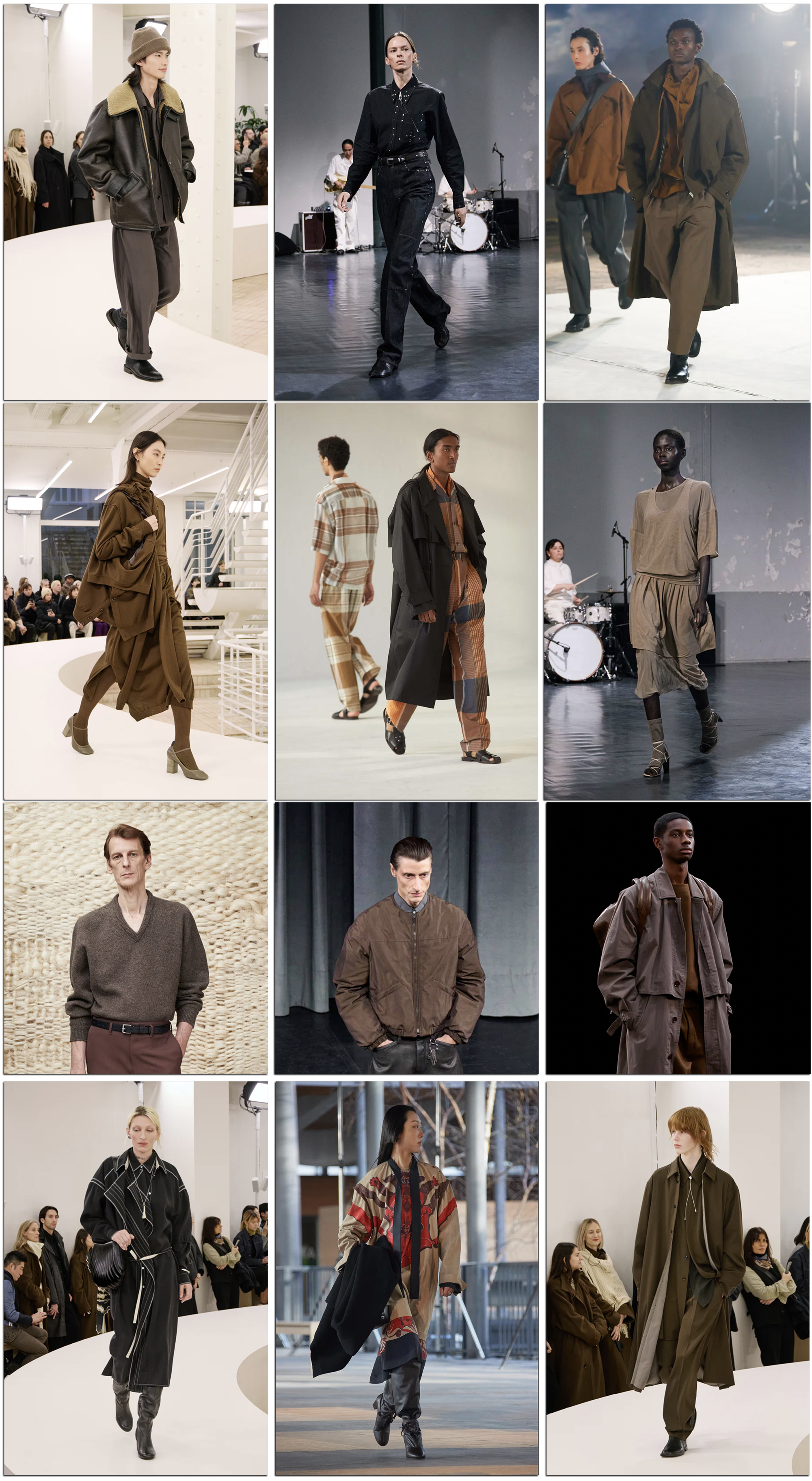
Few designers have done as much as Christophe Lemaire to establish the terms of How Cool People Dress Now. Extravagant proportions, tonal layering, muted hues punctuated occasionally by bolder pops, workwear functionality with the sumptuousness dialed up, an ingenious balance between the practical & the sauced-out … it’s all there in every Lemaire collection going back well over a decade.
Lemaire launched his namesake line in 1991. The core mission from the start, he recently told me, was “trying to make something chic and utilitarian.” In 2000 he became creative director at Lacoste, then took over womenswear at Hermès in 2010. He recommitted himself to Lemaire full-time in 2014, with the help of co-artistic director Sarah-Linh Tran. And over the past five years the line’s gone turbo, growing about as big as any label we cover here at the Plane. Here in 2026, Lemaire’s influence on the Slapper Landscape is more palpable than ever.
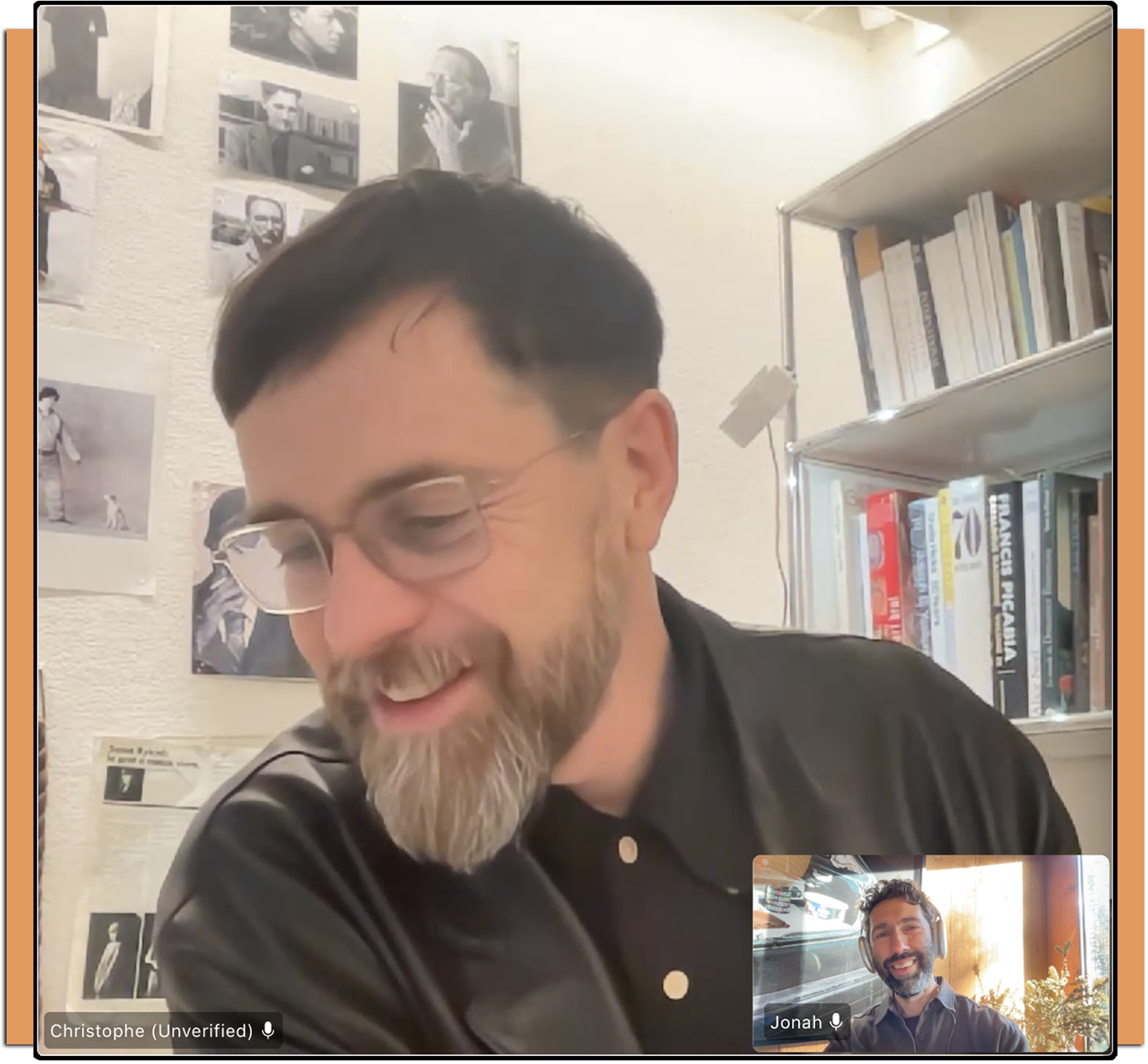
Christophe doesn’t do many interviews. But it turns out he’s one of several Spyplane readers at Lemaire’s Paris HQ, so he was game for a rare conversation.
The other day I (Jonah) was stoked to talk with him about his styling principles, his modular approach to design, whether he’ll ever slap logos on his clothes, his pick for the Greatest Designer of All Time, the younger labels making clothes he admires, and more “unbeatable topics.”
Blackbird Spyplane: What does design look like for you these days? How does work on a given garment begin, and how do things proceed from there?
Christophe Lemaire: “We choose fabric first, but even before fabric, we need to have our scénario — our pitch for the collection. I may have something very specific in mind, or not. Sarah-Linh and I start talking, we talk with the team, we start doing silhouettes, sharing images, working from vintage pieces, or pieces from the Lemaire archives. There’s no one recipe, but we develop an idea of silhouette, of mood, of spirit, of fabric.
“From there, we start getting more and more into the product, piece by piece. What we try to do always is have a good, strong silhouette, and strong products, in the sense of clothes that you need as much as you want. Our approach is to make it very down-to-earth: ‘What do you need every day?’ The storage, the pocket system, the movement, the weather, the breathability. And then we try to combine that utilitarian design with something interesting, in terms of proportion, or styling. We like to take something archetypal and find ways to twist it.”
Blackbird Spyplane: So you’re starting with the concept for the album, and then you come up with songs and melodies and tones, rather than humming a melody and building outwards…
Christophe Lemaire: “That’s a good analogy. I’m excited to go straight to what feels like the essential thing, to try to make it super coherent, and also modular — because good clothes are clothes you can mix with other things. On top of that, we try to create a bit of strangeness and irrationality.”
Blackbird Spyplane: I like that you use the word ‘irrationality.’ You’re making clothes with practicality, but if they wind up feeling too rational, they won’t have as much life to them.
Christophe Lemaire: “If they don’t have any irrationality, they might be boring. And we do have a very rational approach, so we try to have both.”
Blackbird Spyplane: How big is Lemaire’s design team, besides you and Sarah-Linh?
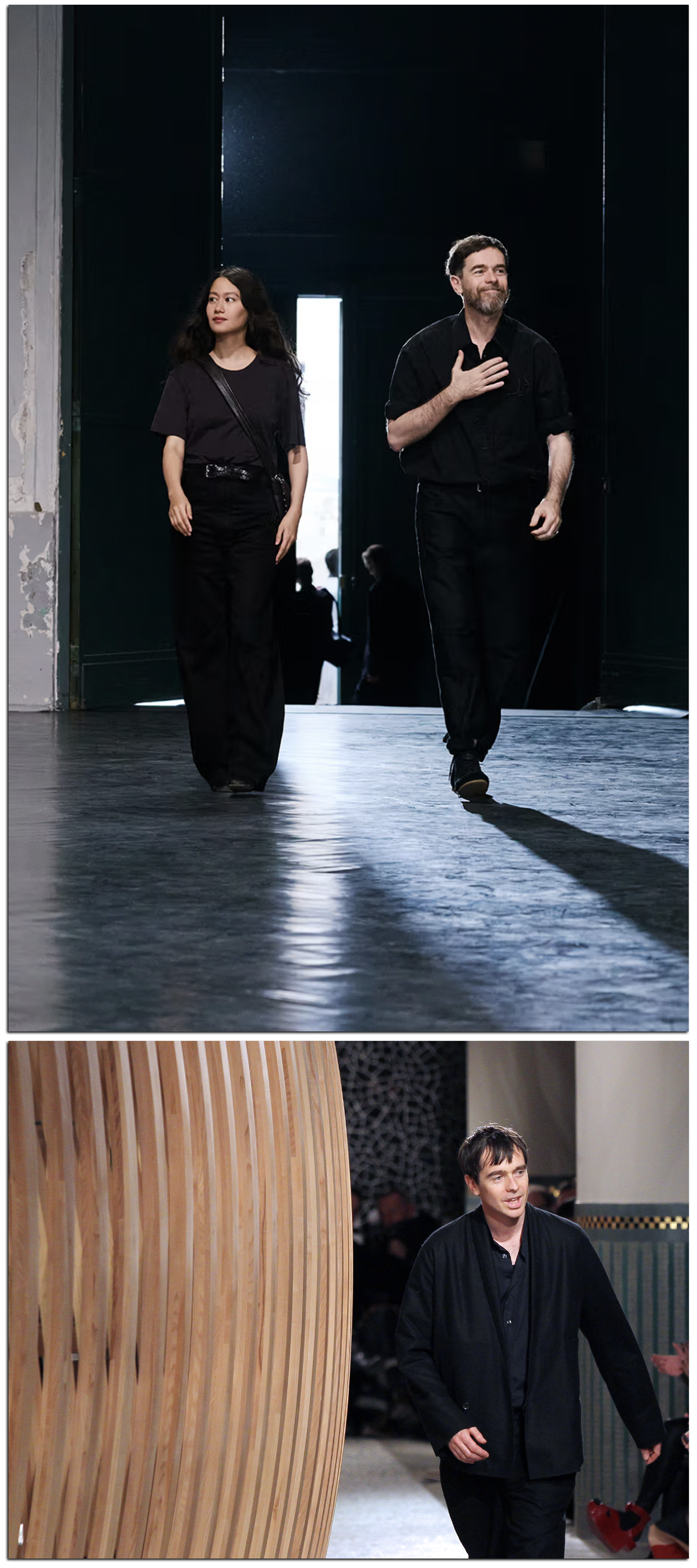
Christophe Lemaire: “There’s 8 designers, plus the two of us. And we’re all very hands-on. I’m an old guy, I still sketch, which is rare these days.”
Blackbird Spyplane: Are you a pattern cutter, too?
Christophe Lemaire: “I’m not. That’s my biggest regret. I started very young, working as an assistant at 19 years old, and when I did my first collections, I went to a pattern school to learn. But it was unrealistic, launching a collection at the same time, so I had to stop. I have an understanding of how it works, but I’m not capable of cutting clothes myself. Unfortunately. I think it should be taught in fashion school, more than everything else — marketing, image, blah, blah, blah.”
Blackbird Spyplane: I saw Karl Ove Knausgaard speak recently, and he said, point blank, ‘Dostoevsky is the greatest novelist of all time.’ Who is the greatest designer of all time?
Christophe Lemaire: “It’s very hard to mention just one. I’m a big admirer of the Japanese designers from the ‘80s. Of course Yohji, especially for menswear. Some aspects of Miyake. I have a more complex relationship to Comme des Garçons, but I’m a big admirer of Rei Kawakubo.
“And I would say all the unsung heroes of workwear and military wear. Because I think the real, deep inspiration for fashion since the ‘60s has been le surplus. These unknown designers and pattern cutters who designed military wear, who worked at Levi’s, at French and Japanese workwear companies, going to the essence of functionality. That’s real design.”
Blackbird Spyplane: It’s like how the best-known jokes have no author. They feel like they’ve just always been in circulation. But someone had to tell that joke first.
Christophe Lemaire: “Exactly. Who designed the first trench coat?”
Blackbird Spyplane: I have a buddy who thinks you should only wear darker colors over lighter colors. Do you follow any rules like that for putting together outfits?
Christophe Lemaire: “That’s funny, when I was younger, I was very impressed by a very stylish old gentleman who told me you always wear darker clothes under lighter clothes. So, the contrary advice. That stuck to my mind, but I grew up with punk, post-punk and dub, so I also have all this reference of breaking the rules. I hate the men’s magazine thing of, ‘Wear this sock with this tie.’ There has to be more room for creativity in styling. Personally, I like monochromes, but I don’t mind colorblocking, either — I did that a lot at Hermès and Lacoste.”
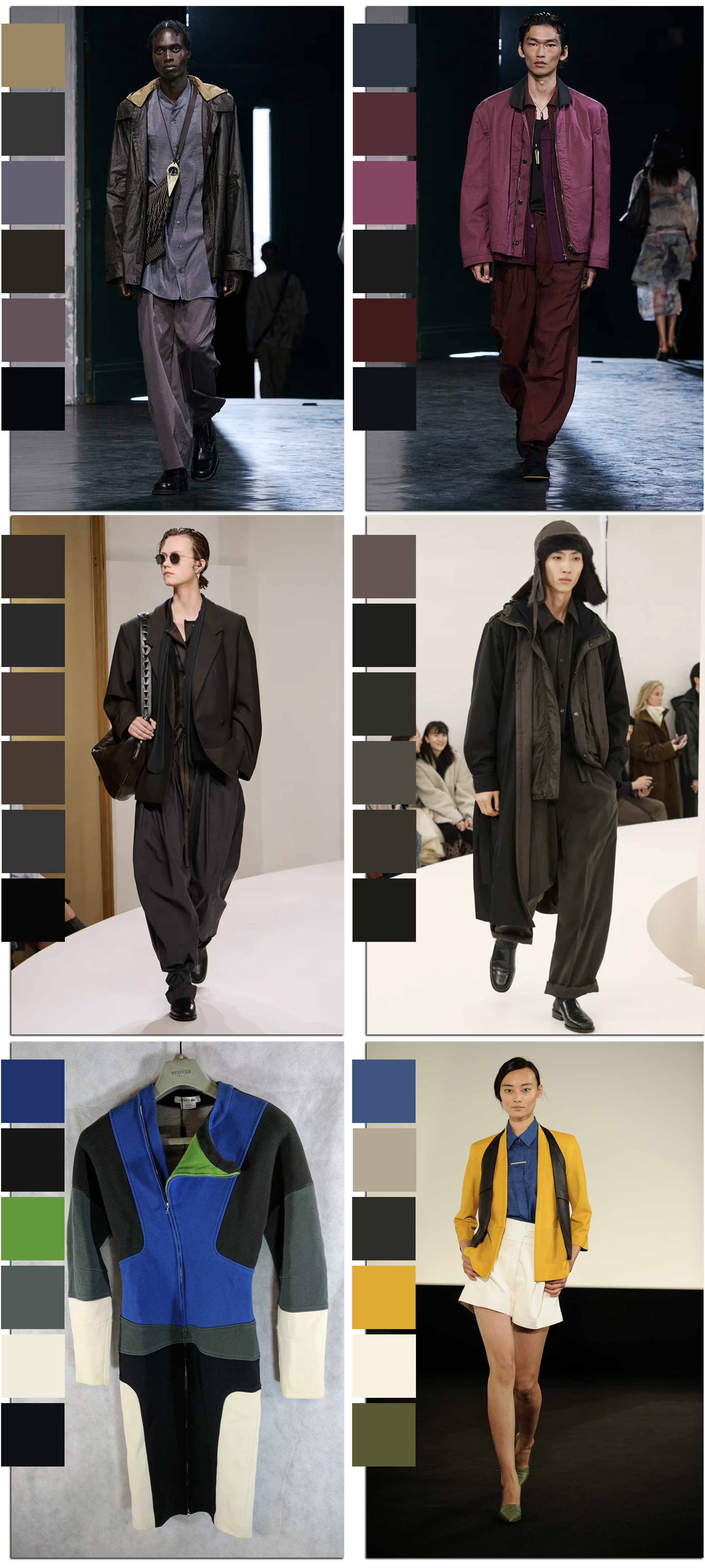
Blackbird Spyplane: When I think of Lemaire’s runway styling, I think of very subtle tonal play. You’re not working with a crazy rainbow, but the tones, and the ways you layer them against each other, are sophisticated.
Christophe Lemaire: “That’s good to hear. Sometimes people think it’s just 50 shades of mushroom, I’ve heard. We like neutral colors, blacks, and anthracites, because we don’t like when it’s too loud, but we love colors, and we work a lot on nuances: faded colors, smoky colors.”
Blackbird Spyplane: Can you see a day coming when there are prominent, outward-facing Lemaire logos on the things you make?
Christophe Lemaire: “No, I don’t think we’ll ever make big logos or whatever. It’s so not the trend now anyway, and it’s so not our philosophy. Having a smart way of signing the product, though, I think that’s okay. I’ve been criticized by friends and people working in the company recently, because we started putting a little leather tab embossed with ‘LEMAIRE’ on the back waistband of our denim. They told me it was a crime. It was like pornography for them! It’s an internal debate, so it’s interesting that you ask about it.”
Blackbird Spyplane: I was reading old interviews with Miuccia Prada where she talks about how much she hates logos, how she finds them tacky and bourgeois, but when she first put out her black nylon bags in the 1980s they were logo-free, and they didn’t sell. So she came up with the shiny enamel triangles, and now she puts those on a million different things. She rationalized it as a business necessity: she was growing the brand, logos were what customers wanted. So, as Lemaire grows, I wondered if the question had come up.”
Christophe Lemaire: “We don’t have dreams of big expansion. We’re very glad to be successful, but we could stay where we are right now, and I’d be happy about that. We’re not trying hard to get new customers. And we’d never put a logo just to sell more. We want the interest of the product to be enough.”
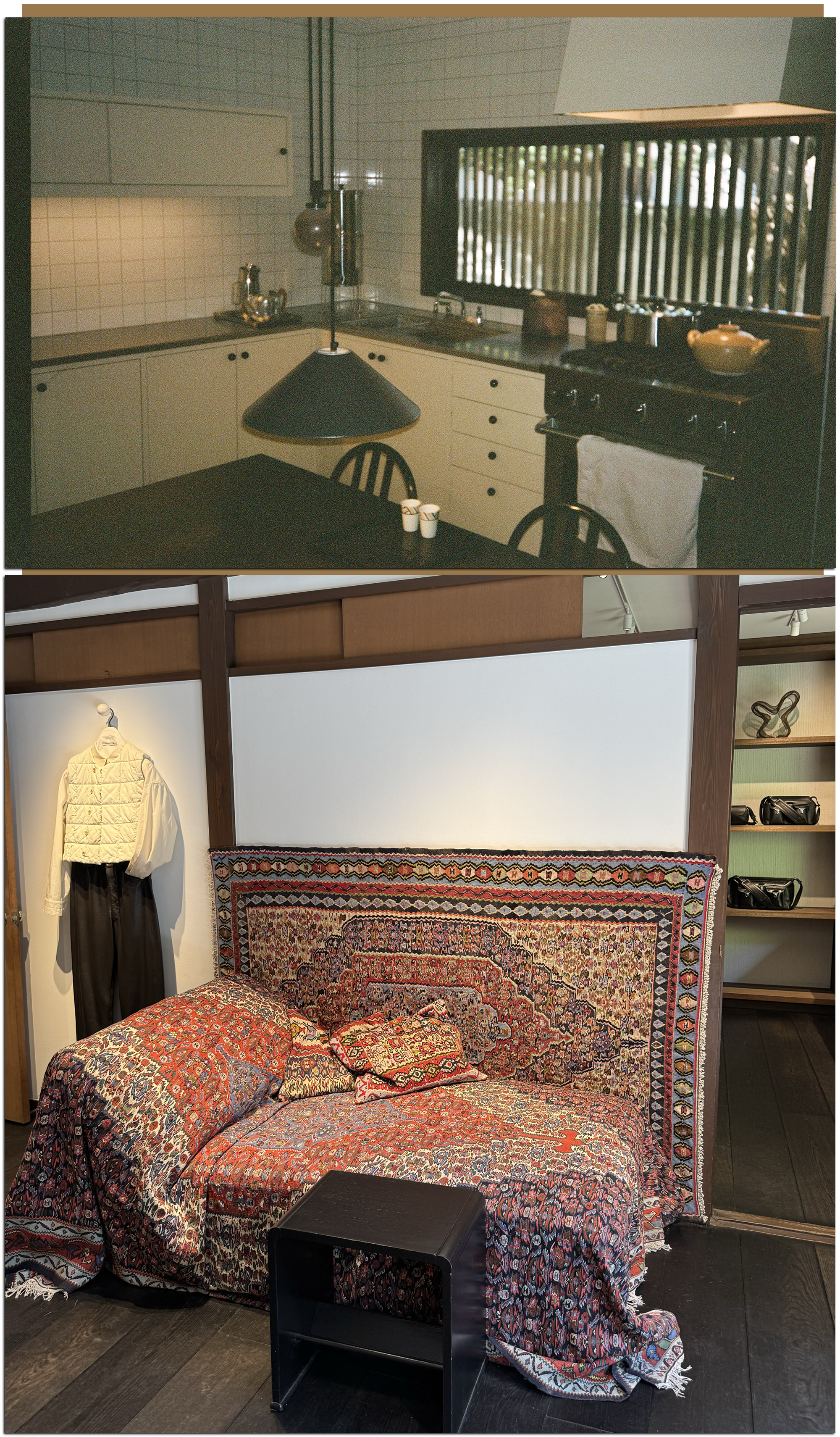
Blackbird Spyplane: With a design as recognizable as the croissant bag or twisted-seam jeans, the thing doesn’t really need a logo for people to know who made it.
Christophe Lemaire: “That’s the challenge, to have enough identity in each product that it’s enough. But we don’t like people that wear clothes to show off social status. We don’t like style as a social disguise. We’re interested in style as something deeper, something to do with feeling yourself.”
Blackbird Spyplane: When you see clothes from other labels that look like yours, does part of you want to go in a totally different direction? Or are you compelled to dig in even deeper to your aesthetic?
Christophe Lemaire: “That’s a question we ask ourselves a lot these days. It’s a cool feeling to be copied. Or I would say, to be inspiring other brands, and to feel that we’ve maybe set a kind of new approach to fashion. We want to stick to our convictions, just improving, improving, improving the same kind of object and message and vision.
“But on the other hand, we also feel more than ever that we have to move. We have to renew, try new things, which is always what we wanted to do. We’re not Margaret Howell. I have huge respect for her and for her consistency, but I think there’s more than that in what we’re interested in. So it’s a combination of a very consistent base of pieces, with new explorations in fabrication, in style, in colors.”

Blackbird Spyplane: When you brought Lemaire back with Sarah-Linh, there were no synthetics in the clothes. Today you use nylons, viscoses, polymers. Do you feel any ambivalence about that?
Christophe Lemaire: “We have a dedicated sustainability department. Apparently we are pretty good. We have a lot of GOTS approvals. But sometimes we do appreciate a bit of polyester, or bit of nylon, because they can bring a quality to the fabric — a certain lightness, a certain dryness — which is very hard to find with all-natural fabric. So it’s not necessarily a price-point issue so much as it’s about properties of the fabric. Synthetics, it’s a bit like technology: I’m not fascinated by tech, but I use it as a tool when it’s needed.”
Blackbird Spyplane: What are some younger labels doing work you admire?
Christophe Lemaire: “I find interesting those young Japanese brands like Kaptain Sunshine, or Auralee, or Comoli. They have this refinement in the fabrication which is unique in Japan, and they have a more humble approach than ‘designers’ — they’re proposing a good menswear wardrobe, reworking archetypes in a cool way.

“At the end of the day, for menswear, I find that that’s what I’m interested in, too. Sometimes it has to be very straightforward, something no-brainer, you know? Nothing complicated in the concept, just a good sensitivity in the way of making it, and of course the styling, sizing and fabrication changes it all.
“I think we’re in a place with fashion, in particular men’s fashion, where the age of too much experimentation is a little bit off. I would use the word ‘conservatism,’ but in a positive way. It’s less about eccentricity, and more about a kind of New Normality, refined.”
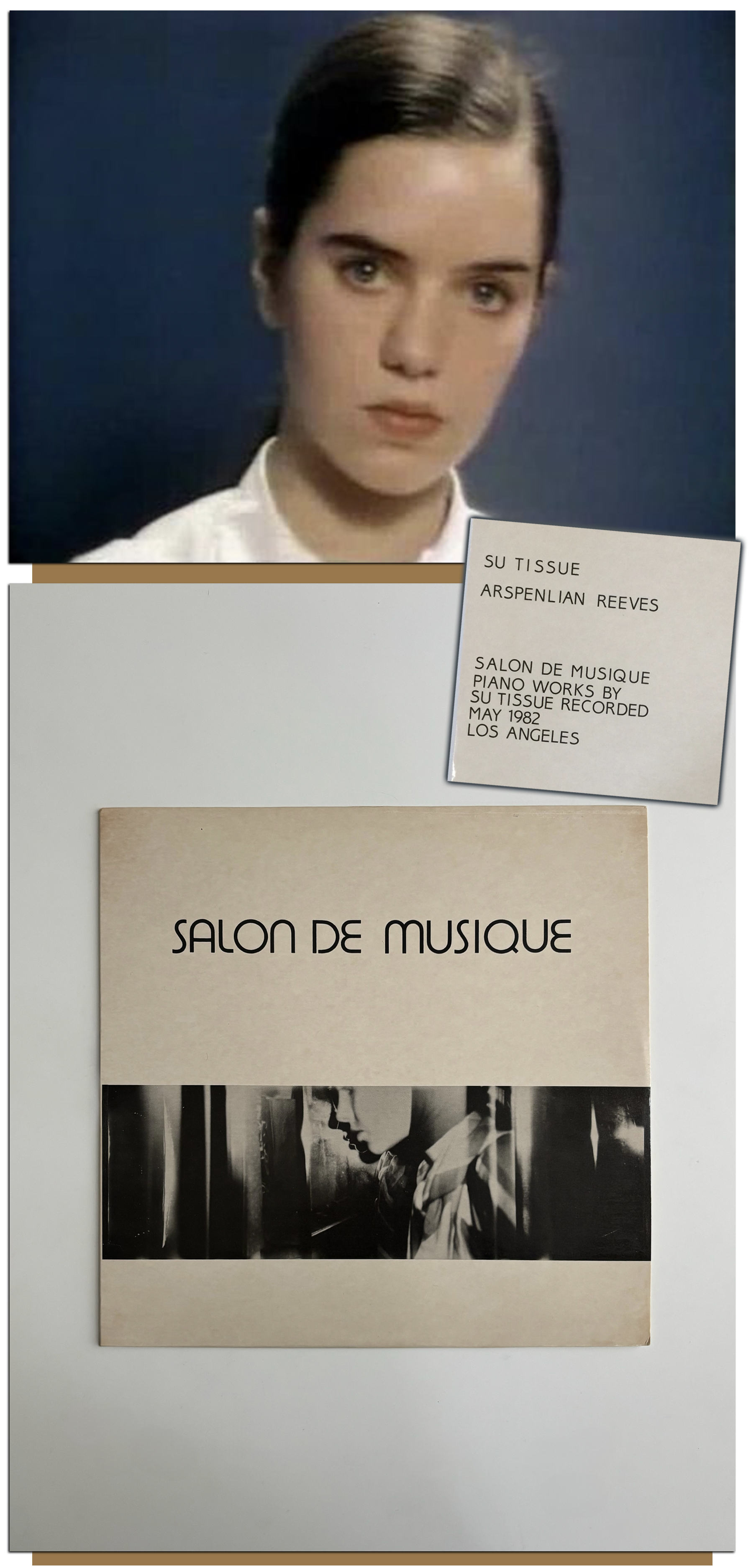
Blackbird Spyplane: All right, finally, I asked you to talk about a cherished possession, and you chose a very cool-sounding record I’ve never heard of. I see a copy on Discogs for $2500 right now. What’s the story?
Christophe Lemaire: “I’m not very much a fetishist, I don’t collect objects, but you know I love music. This is a very rare record by Su Tissue called Salon de Musique. She was part of a new wave band from California called Suburban Lawns, quite cult, and then she switched to this amazing piano piece, which is a bit like Terry Riley, kind of minimalist.”
Blackbird Spyplane: “Oh we love Terry Riley here, this is right up my alley.”
Christophe Lemaire: “And after this, no one knows what happened to her. If you look her up on the web, there’s all these people wondering what she became.”
Blackbird Spyplane: “It’s always striking when someone puts out a gem and then drops off the face of the earth. We’re more used to people overstaying their welcome.”
Christophe Lemaire: “She made this beautiful piece of music, and then she disappeared.”
all time sletter
Seeing this in my inbox on a sunny 65 degree day in Brooklyn made my seasonal depression evaporate. We are so back.